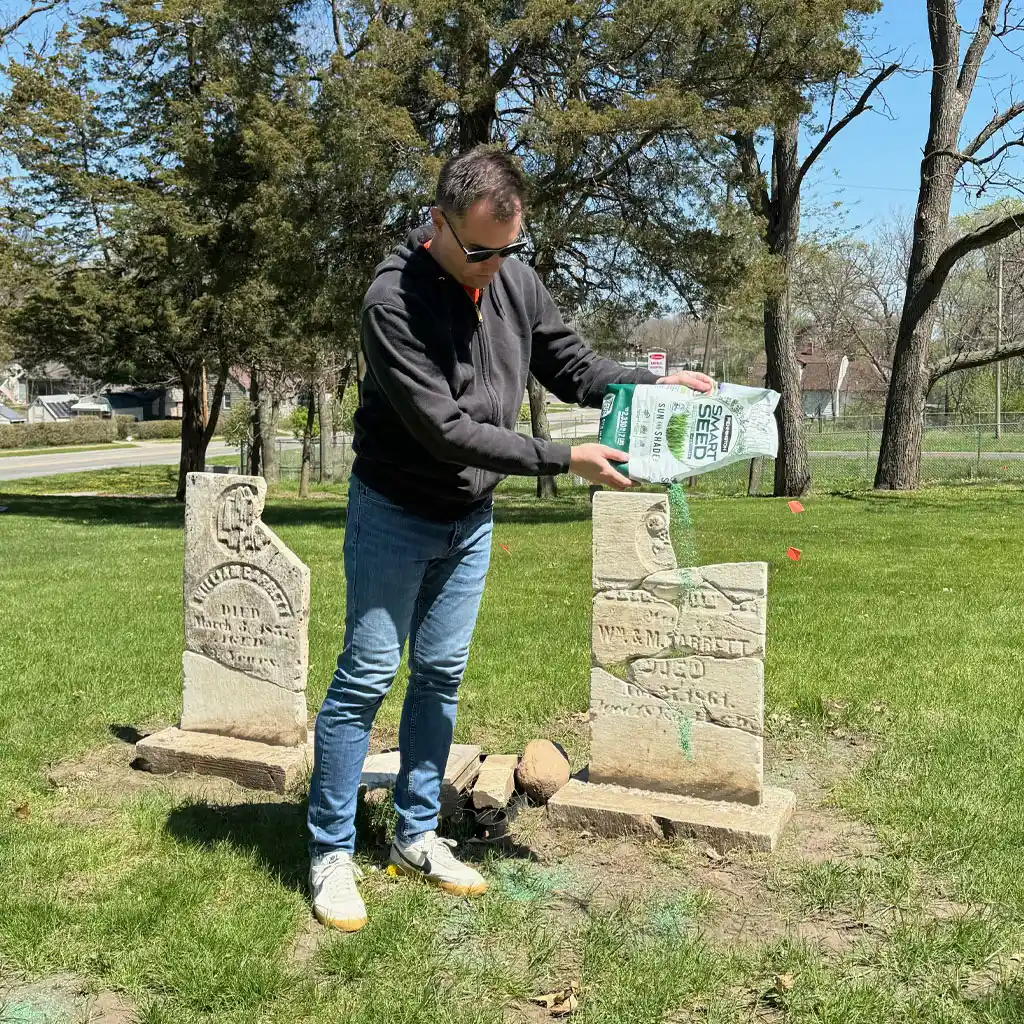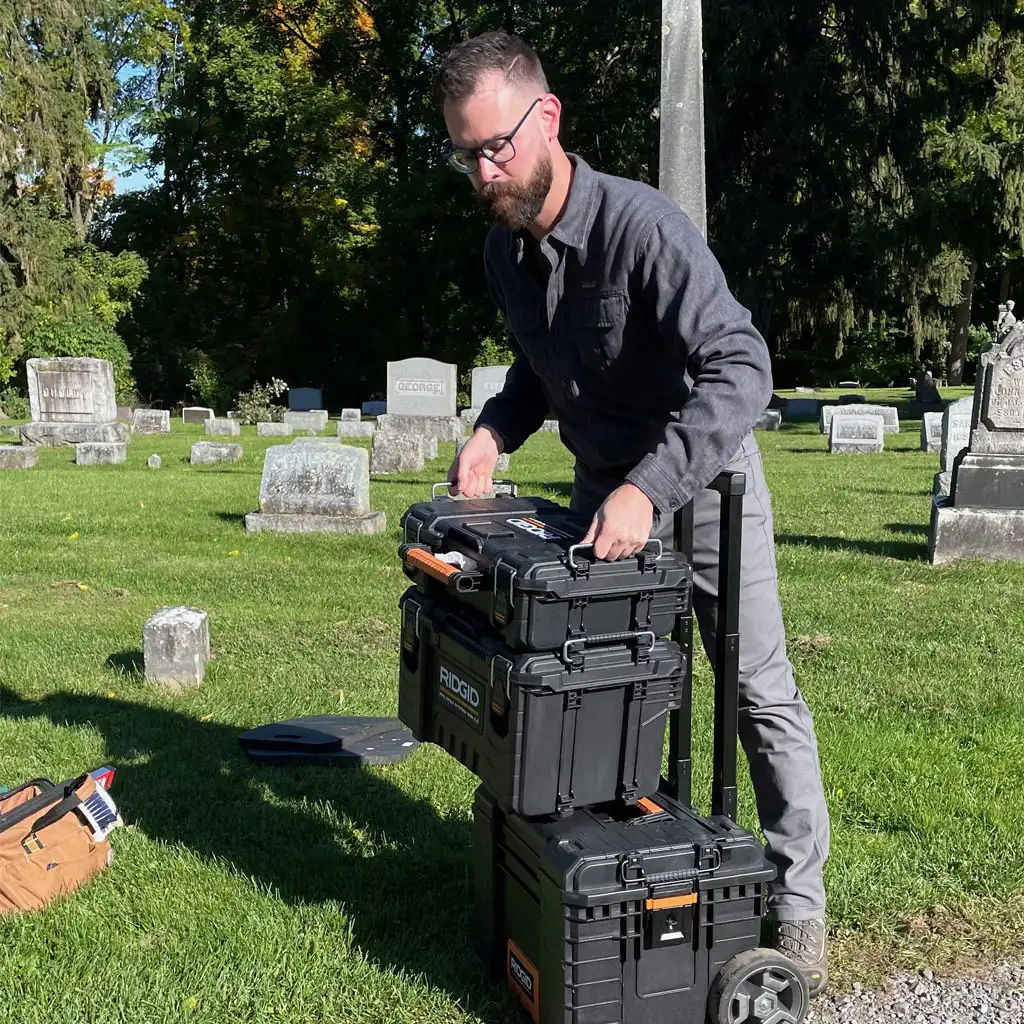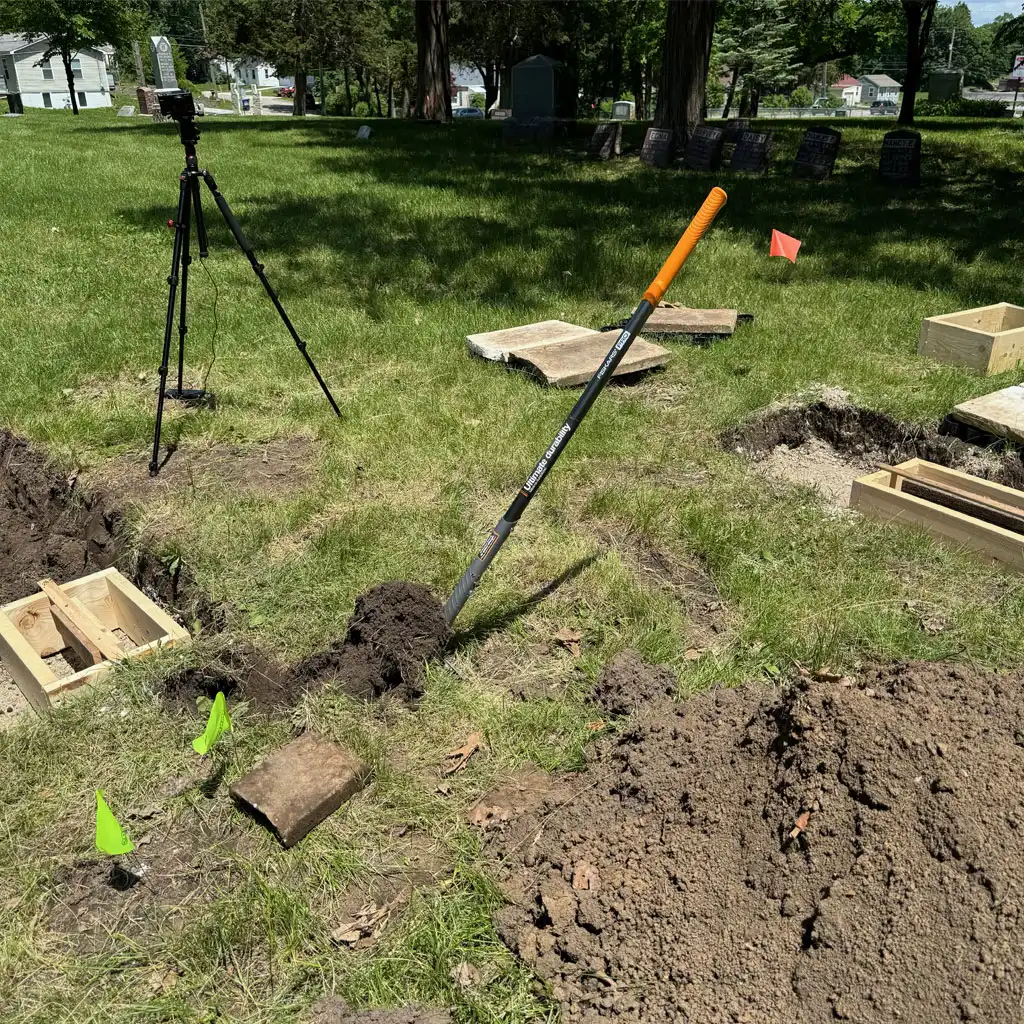
Good fieldwork is as much behavior as it is technique. Here’s a quick framework that keeps you welcome—and effective.
PERMISSION IS A PROCESS
Identify owner/caretaker, request scope (cleaning vs. documentation), and clarify exclusions (unstable monuments, repairs). Keep a copy of approval with you; it de‑escalates 99% of on‑site questions.
RISK TRIAGE
- People: uneven ground, weather, critters; brief your team.
- Stones: instability, delamination; mark and avoid.
- Methods: gentle‑only; no irreversible steps.
- Escalation: who to call for repairs, vandalism, or remains.
CULTURAL LITERACY
Different communities = different norms (tokens on stones, offerings, photography). Observe first; ask respectfully. “We’re here to help; how can we align with your practices?” goes a long way.
GROUP DAYS THAT DON’T GO SIDEWAYS
Start with a 5‑minute safety + ethics talk. Issue soft brushes and water sprayers only. Set runners to refill water. Appoint a “questions lead.”
WHEN THINGS GO WRONG
Vandalism? Report, document, don’t rush removal—chain of custody may matter. Human remains? Stop, secure area, notify authorities/caretaker.
LEAVE NO TRACE
Pack out everything. Final walk‑through: the site should look undisturbed except for cleaner stones.